

Recent Publications
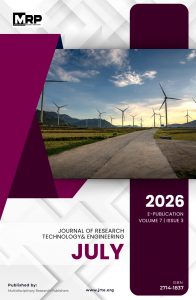

This study developed and evaluated a wet-cell oxyhydrogen (HHO) generation system integrated with a power management system (PMS) to improve the combustion performance and fuel efficiency of a small-capacity gasoline internal combustion engine (ICE). The HHO generator was fabricated using stainless steel (SS) electrodes arranged in a P–N–P–N configuration within a transparent acrylic cylindrical housing. A linear PMS was designed to regulate the voltage and current supplied to the electrolysis unit, ensuring stable operation during HHO production. Laboratory-level characterizations were conducted using potassium hydroxide (KOH) electrolyte concentrations ranging from 0.05 M to 1.0 M to identify suitable operating conditions for efficient, stable HHO generation. Field experiments were subsequently conducted under gasoline-only and gasoline + HHO hybrid operating modes, using distance-based fuel consumption analysis and exhaust emission measurements. The results showed that an operating range of 2.5–4.5 V with a 0.1 M KOH electrolyte concentration provided stable HHO generation without excessive thermal or electrical stress. Under hybrid operation, fuel efficiency improved by approximately 20%, increasing mileage from 75 km/L to 90 km/L. Exhaust-emission analysis indicated reductions of approximately 20.86% in CO emissions, 1.73% in HC emissions, and 3.43% in O₂ concentration, while CO₂ concentration increased by 17.69%, suggesting more complete combustion and enhanced oxidation reactions. Observations of the spark plug condition further supported the improved combustion characteristics observed during HHO-assisted operation. Hence, the developed HHO–PMS system demonstrated its effectiveness in enhancing combustion efficiency and improving the exhaust-emission profile of a small-capacity gasoline engine. The PMS ensured stable, controlled electrolysis operation, while the generated HHO promoted faster flame propagation and improved combustion quality. The findings suggest that the proposed system primarily functions as a combustion-enhancement mechanism rather than as an independent net-energy source.
Our Visitors


 Users Today : 184
 Total Users : 65432
 Views Today : 878
 Total views : 140804
 Who's Online : 1
 Your IP Address : 216.73.216.144